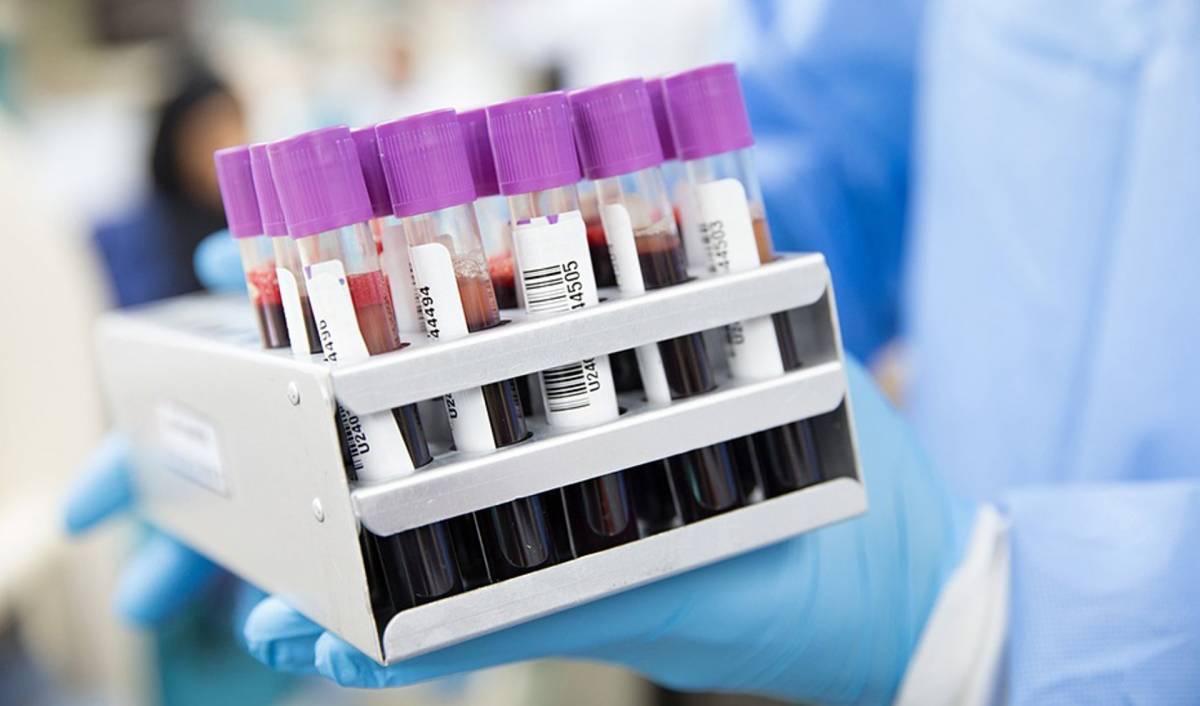
Researchers at the Keck School of Medicine of the University of Southern California have built a blood-based screening algorithm that sharply reduced the number of unnecessary amyloid PET scans used to select participants for an Alzheimer's clinical trial. The work, published in Alzheimer's & Dementia: The Journal of the Alzheimer's Association, was deployed during recruitment for the international phase 3 AHEAD 3-45 study, according to ConSalud. The Spanish health outlet reported the findings on 1 November 2026.
Why it matters
Screening is one of the costliest stages of an Alzheimer's trial for study sites, ConSalud reports. Before the algorithm was introduced, candidates could spend as long as three months in the selection process, and more than 70% of those who underwent a PET scan — widely treated as the reference method for detecting the disease — were ultimately found ineligible.
The tool changed that picture. Among people who went on to have a PET scan during recruitment, the share later judged unsuitable for the trial fell from 71% to 31%, according to the outlet. In effect, the algorithm more than halved the number of scans that led nowhere.
That matters beyond trial logistics. AHEAD 3-45 is testing whether starting lecanemab earlier can alter the course of the disease. The drug clears beta-amyloid deposits that build up in the brain and are tied to Alzheimer's progression; it is currently indicated for people who already show symptoms of cognitive decline. The trial, however, enrolls people with amyloid accumulation who may be decades away from memory problems or other symptoms — a group that is hard to find. Only about 30% of cognitively healthy adults over 65 carry amyloid at levels high enough to qualify for studies like AHEAD 3-45, ConSalud reports.
How the algorithm works
The model draws on two markers measured in blood plasma. One is the ratio of beta-amyloid, which reflects the early stages of the protein's buildup. The other is p-tau217, a marker that allows a more precise estimate of how much amyloid has collected in the brain. Age and APOE4 carrier status — both linked to a higher likelihood of amyloid accumulation — are also factored in.
Rather than sorting patients into simple positive or negative categories, the system uses a statistical technique called Mixture of Experts (MoE), designed around the fact that amyloid does not accumulate evenly. The model places each person somewhere along a continuous spectrum of accumulation instead of assigning a binary result.
The researchers developed the tool using data from 1,080 AHEAD participants and later validated it against independent information from the Wisconsin Registry for Alzheimer's Prevention, according to ConSalud. It was refined in stages during recruitment between 2020 and 2024. A first version, introduced in February 2022, brought the rate of futile PET scans down from 71% to 50%. Adding p-tau217 in May 2023 pushed the figure to 31%.
A wider role for blood tests
The team behind the work argues the results strengthen the case for blood analysis as a first-line screening step before more expensive imaging. Langford, quoted by ConSalud, framed the goal in plain terms: a visit to the doctor and a blood draw could tell a person whether they have the disease earlier. Langford also pointed to a possible future role in prevention, suggesting that earlier intervention would have greater impact and might, with luck, keep symptoms from appearing at all.
ConSalud notes that its health content is produced by specialist journalists and reviewed by an expert committee, while advising readers to raise any health questions with a medical professional.
What to watch: whether the algorithm is adopted at other trial sites or adapted for routine clinical use, and how the AHEAD 3-45 results shape the case for earlier lecanemab treatment.